
Lyme Disease
Understanding, supporting and restoring balance.
Introduction
“In the fullness of time, the mainstream handling of Chronic Lyme disease will be viewed as one of the most shameful episodes in the history of medicine because elements of academic medicine, elements of government and virtually the entire insurance industry have colluded to deny a disease”
Dr. Kenneth Liegner
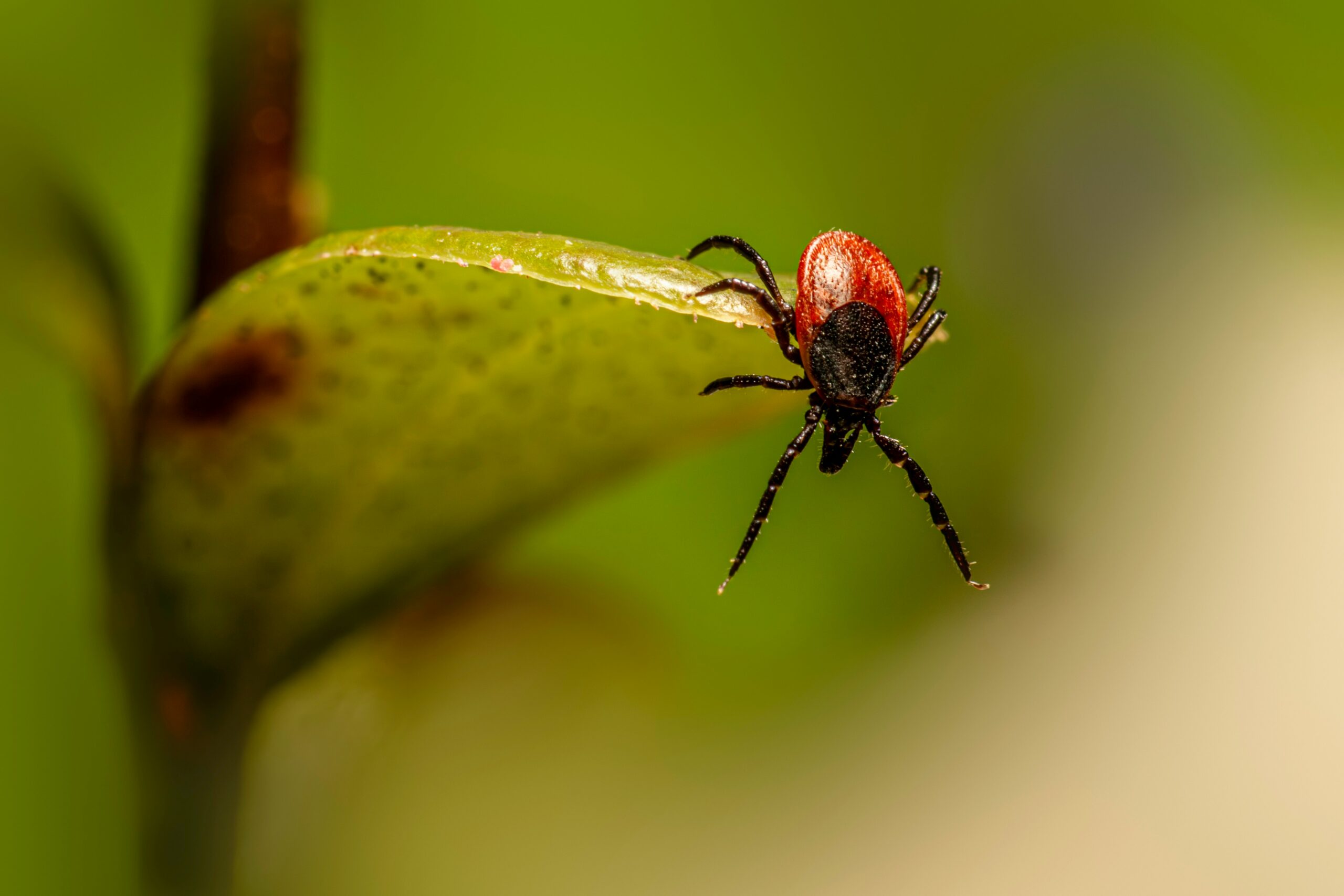
Lyme disease is caused by a spirochete—a corkscrewshaped bacterium called Borrelia burgdorferi. Lyme is called “The Great Imitator,” because its symptoms mimic many other diseases. It can affect any organ of the body, including the brain, nervous system, muscles, joints and the heart.
People with Lyme disease are frequently misdiagnosed with chronic fatigue syndrome, fibromyalgia, multiple sclerosis and various psychiatric illnesses, including depression, ADHD, bipolar and anxiety.
Billions of people worldwide have undiagnosed Lyme Disease In a recent study 72% of patients with chronic Lyme disease report that they were initially misdiagnosed with another condition. Patients misdiagnosed with another condition experience diagnostic delays and may be exposed to adverse effects from treatments for diseases that they do not have.
https://www.lymedisease.org/mylymedata-lyme-disease-research-report/
Congenital Lyme – No Tick Bite Required
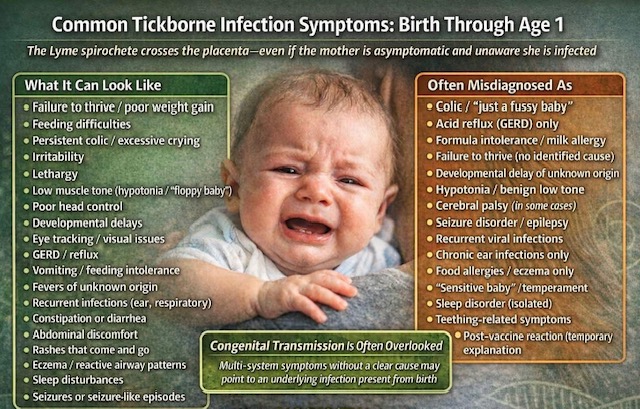
If a mother is infected during pregnancy and her baby survives, the path forward may be hard. In his study of 102 live births to mothers with Lyme disease, Dr. Charles Ray Jones describes these newborns’ symptoms by frequency. The most common findings were neuropsychiatric. 80% of children had cognitive problems, learning disabilities and mood swings; 72% had fatigue and lack of stamina; 9% had autism. Developing babies are not only at risk for contracting Lyme in the utero but can also be infected through breast milk.
Experts say evidence of congenital Lyme is too strong to ignore | LymeDisease.org Through pattern recognition and my data, I realised relatively quick that Covid triggered a dormant Lyme. Much like Shingles (which is a coinfection) it is activated by virus’s, stress, comprised immunity etc. A year after discovering this it was confirmed by Lyme Disease Org. that covid was a co-infection of Lyme and triggered it.
Lyme disease research in review: triumphs, trials, and the path forward | LymeDisease.org
Coinfections of Borrelia Burgdorfrei
The bacterium Borrelia Burgdorferi is transmitted by Ixodes ticks. These ticks can carry multiple pathogens, meaning a single bite can transmit Lyme disease along with other infections called coinfections. This also applies to congenital Lyme disease.
Coinfections are extremely common with a survey showing over 50% of people having at least one coinfection and 30% reporting two or more. From my research the most common are Bartonella, Babesia, Rickettsia, Toxoplasmosis, Candida and Mycoplasma.
There are around 300 co-infections ranging from Covid, Epstein Barr Virus, Herpes, Coxsackie, Streptococcal A/ B, Cytomegalovirus, Parvovirus, Anaplasma, parasites, any gut related opportunistic infections such as H. pylori, E.coli, Candida and many more.
Common Co-Infections
- Babesia: A protozoan parasite causing babesiosis, which can lead to fatigue, anaemia and flu-like symptoms.
- Bartonella: Bacteria causing chronic systemic infections, including neurological, mus culoskeletal, and cardiovascular symptoms. Species include B. henselae, B. quintana, and others.
- Anaplasma: Causes anaplasmosis, affecting white blood cells and potentially worsening Lyme disease severity.
- Ehrlichia: Causes ehrlichiosis, with symptoms overlapping Lyme disease, which complicates diagnosis.
- Rocky Mountain Spotted Fever (Rickettsia rickettsii): Can be severe sometimes fatal.
- Borrelia miyamotoi: Causes tickborne relapsing fever, an emerging pathogen recognised by the CDC.
Parasites – Common coinfections of Lyme Disease
Parasitism is a form of intercourse between two organisms. The parasite settles in the body of its host and uses its nutrients. Unfortunately, many of us do not realise that we are a host of many organisms. There are more than 300 species of parasites that can infect humans and they fall into three broad categories:
Three Categories of Human Parasites
Every parasite that lives in or on a human body belongs to one of three groups. Protozoa are single-celled organisms too small to see without a microscope. They typically live in your intestines, blood, or tissues. Helminths are parasitic worms, ranging from tiny threadlike creatures to tapeworms that can grow several feet long and they most often inhabit the digestive tract. Ectoparasites live on the outside of your body, attaching to or burrowing into the skin to feed on blood or tissue.
List of parasites of humans – Wikipedia
The World Health Organization warns that parasites and worms are one of the most common causes of diseases that are a direct threat to people. Up to 90 percent of the world’s population are parasite carriers.
“Parasites have killed more people than all the wars in the history of humankind” – National Geographic
Parasites can range from microscopic amoebas to 10-foot-long tapeworms. These parasites and their eggs can enter the circulation and travel to various organs, such as the liver, where they can cause abscesses and cirrhosis. They can also migrate to the lungs, causing pneumonia, eyes and into the joints, brain, muscles, gut, oesophagus and skin, where they cause hyperinflammatory processes.
Chronic parasitic infections are linked with intestinal permeability and leaky gut syndrome, irritable bowel, irregular bowel movements, malabsorption, gastritis, acid reflux, skin disorders, joint pain, nutrient deficiencies, food intolerances and decreased immunity.
Mycoplasma
Mycoplasma are bacterium that can infect different parts of your body. Which body part is affected -your lungs, skin, or urinary tract – depends on which type of mycoplasma bacteria is causing your infection.
All mycoplasma infections have one thing in common though. Unlike other bacteria, mycoplasma don’t have cell walls, which mean some antibiotics, like penicillin, won’t work against them.
There are about 200 types of mycoplasma bacteria, but most of them are harmless. These ones are more severe:
- Mycoplasma pneumoniae
- Mycoplasma genitalium
- Mycoplasma hominis
- Ureaplasma urealyticum
- Ureaplasma parvum
Toxoplasmosis Gondi
Occurrence of co-infections with various pathogens creates a risk of increased severity of tick-borne disease. Lyme disease, has been reported to co-exist with toxoplasmosis.
Full article: Tick transmission of toxoplasmosis Toxoplasmosis is infection with Toxoplasma gondii. Toxoplasma gondii is one of the most common parasites humans carry, yet most people have never heard of it.
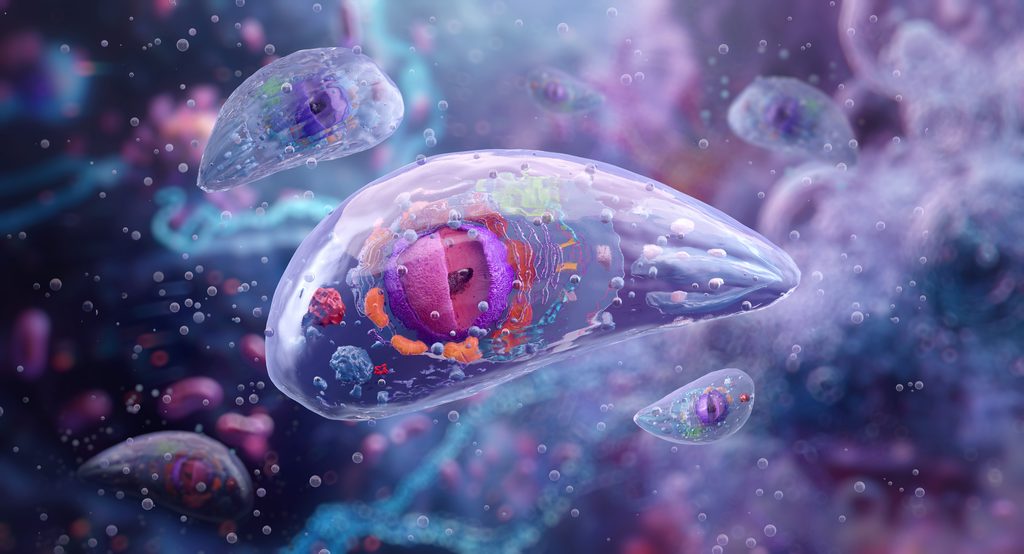
Roughly 50% of the global population has been exposed to it. Symptoms range from none to benign lymphadenopathy, a mononucleosis-like illness, to life-threatening central nervous system disease or involvement of other organs in immunocompromised people.
Retinochoroiditis, seizures and intellectual disability, birth defects and miscarriages can occur in congenital infection.
Toxoplasmosis gondii spends most of its life cycle inside cats. Because an infected cat can pass millions of Toxoplasma parasites daily in its faeces, toxoplasmosis can spread easily to almost any other animal that shares the environment with cats. In humans, Toxoplasma parasites usually enter the body by being swallowed. This can also happen when people touch their mouth with soiled hands, especially after changing cat litter, or if they eat pork, lamb, or undercooked meat.
Key facts:
- Toxoplasma gondii is a protozoan parasite that infects over 50% of humans worldwide.
- Toxoplasmosis is a very common co-infection of Lyme disease
- Toxoplasma gondii can infect any warm-blooded animal, including birds and mammals.
- Cats are the definitive hosts, where the parasite reproduces sexually.
- The parasite has a complex life cycle involving two main hosts: cats and intermediate hosts (including humans).
- Toxoplasma gondii can be transmitted through contaminated food, water, or contact with infected cat faeces.
- Pregnant women can pass the infection to their unborn child, potentially causing birth defects, chromosome defects such as Downs syndrome, Turners syndrome and miscarriages.
- Toxoplasma gondii can alter behaviour in infected rodents, making them more susceptible to cat predation.
- *Research suggests a link between Toxoplasma gondii and psychiatric disorders (e.g., schizophrenia and bipolar) and ADHD/Autism.
- Toxoplasma gondii can infect human brain cells and form tissue cysts that salter dopamne and serotonin which fuels depression and can increase the risk of attempted suicide.
- The parasite can reactivate in immunocompromised individuals, such as those with HIV/AIDS
- Toxoplasma gondii has been linked to various neurological disorders, including epilepsy and Parkinson’s disease
- Infected humans can shed oocysts in their stool for up to a year.
- Toxoplasma gondii can survive in a frozen state for up to a year.
- The parasite can infect humans through organ transplantation or blood transfusion.
- Toxoplasma gondii has been detected in drinking water sources worldwide.
- 17. The parasite can infect humans through contact with contaminated soil or sand.
- 18. Toxoplasmosis can be a host (and vice versa) for borrelia, covid, influenza, bacillus, meningitis, staphylococcus aureus etc and it also harbours mould and mycotoxins which all travel through the blood brain barrier.
- 19. Toxoplasma gondii has been linked to various cancers, including lymphoma and brain tumours.
- 20. Research suggests that Toxoplasma gondii alters the brain, drives impulsivity and risk behaviours * Importantly, this does not mean Toxoplasma “causes” bipolar disorder or ADHD. The evidence supports association, not proven causation. But it does suggest that chronic infections may act as upstream risk modifiers, shaping brain chemistry and immune signalling in susceptible individuals.
How Bioresonance May Support Lyme Disease and Chronic Infections
Lyme disease and other chronic infections often create a complex picture, common symptoms are – fatigue, inflammation, brain fog, digestive disturbances and immune imbalance. Even after antibiotic therapy, many individuals still feel unwell due to residual toxins, tissue stress, or impaired immune communication.
Bioresonance therapy can help by:
- Identifying hidden stressors such as bacterial, viral, or environmental loads that may still challenge the body.
- Supporting detoxification by improving energy flow and organ balance (especially liver, kidneys, and lymphatic system).
- Strengthening immune regulation, helping the body recognise and respond more efficiently to lingering pathogens.
- Reducing energetic blockages caused by inflammation or emotional stress, promoting relaxation and resilience.
- Restoring cellular communication, which helps the body function more harmoniously overall.
What Clients Often Experience
Clients living with long-term infections often describe their recovery journey as a “fog lifting”. Improvements can include:
- More consistent energy and mental clarity
- Better sleep and mood
- Easier digestion and reduced inflammation
- A sense of calm and overall balance
While results vary, most people report feeling more in tune with their body and more capable of managing daily life.
Because bioresonance is safe and non-invasive, it can also be used alongside conventional treatments and other holistic approaches without interference.
A Holistic Approach That Complements Medical Care
True healing from chronic infection involves more than one therapy. It requires a wholeperson approach — addressing nutrition, mindset, detox pathways and environment. In conventional models, infections are something you identify, treat, and resolve. But Lyme disease doesn’t always follow that pattern. Borrelia has mechanisms that allow it to persist in the body. Additionally, congenital Lyme disease cannot be treated with antibiotics. That’s why recovery often requires a broader approach, one that supports the body’s ability to get well and stay well, not just eliminate infection.
Lyme disease testing is notoriously inaccurate and confirmed by a newly published study in the Journal of Clinical Microbiology puts concrete data behind a long-recognised problem in Lyme disease care. Bioresonance identifies Lyme and other pathogens at a cellular level – conventional tests do not have this capacity.
The research, supported by the Bay Area Lyme Foundation and based on data from the Lyme Disease Biobank, found that FDA-cleared testing methods miss between 64 and 78 percent of early Lyme cases.
This includes patients who present with the classic erythema migrans (EM) rash that is widely considered a key indicator of early infection.
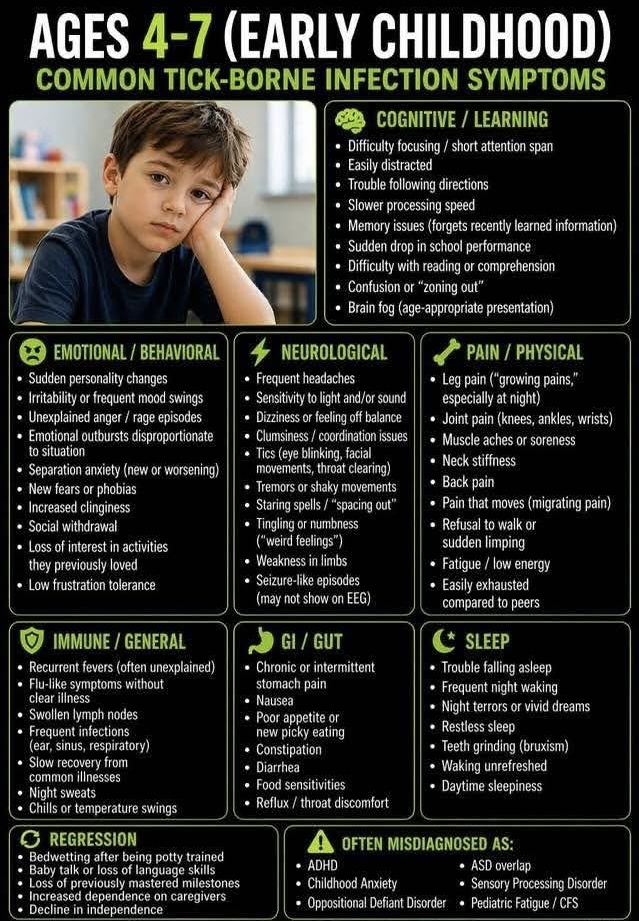
ADHD, Autism and Lyme
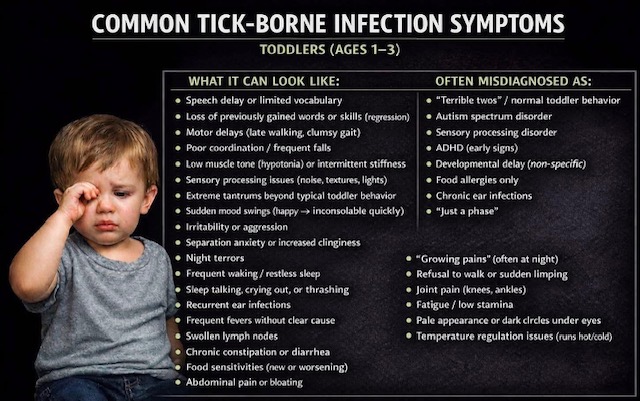
ADHD remains a common and important diagnosis. However, Lyme disease misdiagnosed as ADHD can occur when infection-related symptoms affect cognition, mood and physical functioning.
Overlapping Symptoms in Children
Chitin, Lyme, Parasites and Mould
The relationship between chitin, parasites, mould and Lyme disease is complex and multiface ted. Chitin, a key component of the cell walls of fungi, plays a significant role in immune regulation and pathogenesis. It is also involved in the activation and attenuation of immune responses to fungi and other chitin-containing parasites.
Mould toxicity and Lyme disease share overlapping symptoms, such as chronic fatigue, joint pain, and brain fog. Mould toxicity can weaken the immune system, making individuals more susceptible to chronic infections like Lyme disease. Conversely, Lyme disease can weaken the body, making it more difficult to handle or detoxify mould. Additionally, parasites are coinfections of Lyme disease that impact the body in similar ways.
They all cause inflammation and can trigger a chronic inflammatory response syndrome.
This syndrome occurs when the immune response does not calm down after fighting infection, leading to prolonged inflammation and potential chronic health issues.
Therefore, many symptoms of Lyme disease, parasites and mould co-exist together and prolong illnesses.
LYME, PARASITES & MOULD SYMPTOMS
Head, Face, Neck
- ADHD/Autism/OCD
- Adrenal fatigue
- Anxiety
- Bell’s Palsy/facial paralysis
- Bipolar
- Brain and spine lesions
- Brain fog
- Chronic neuroinflammation
- Cranial nerve disorders
- Delirium
- Depression/post-partum depression
- Disruption of neurotransmitters – serotonin, norepinephrine, dopamine
- Dysautonomia
- Dyslexia
- EEG changes
- Epilepsy/seizures
- Facial numbness/tingling
- Fear/panic attacks
- Flight or fight mode
- Hair loss/alopecia
- Hallucinations
- Headaches
- Heart palpitations
- Hypothalamic pituitary adrenal (HPA) axis dysfunction
- Ice-pick pain
- Increased allergies
- Insomnia
- Internal vibrations
- Loss of coordination
- Memory loss
- Meningitis/fungal meningitis
- Migraines/vestibular migraines
- Mild traumatic brain injury – similar to concussion
- Mood swings
- Motion sickness
- Narcolepsy
- Nerve pain
- Neuralgia/Trigeminal neuralgia
- Neuroborrelioses – central nervous system
- Neuropathy – nerve damage
- Numbness/tingling
- Pans/Pandas
- Parasympathetic/autonomic dysfunction
- Poor concentration
- Pressure in the head
- Psychiatric symptoms
- Rage/emotional dysregulation
- Reduced stress tolerance
- Sleep apnoea
- Staphylococcus
- Static shocks
- Streptococcal infections
- Stroke
- Suicidal idealisation
- Suicidal thoughts
- Tourette’s/tics
- Tremors/twitches
- Vertigo/dizziness/PoT’s
Eyes/Vision
- Cataracts
- Conjunctivitis
- Corneal dystrophy
- Eyelid drooping
- Flashing lights/peripheral waves
- Oversensitivity to light – photophobia
- Pain/swelling
- Red itchy eyes
- Visual changes/double/blurred vision
- Visual/spatial awareness impairment
- Watery eyes
Ears/Hearing
- Buzzing, tinnitus
- Decreased hearing /hearing loss
- Ear infections
- Itching
- Oversensitivity to sounds
- Pain in ears
- Pressure/fullness
Circulation
- Air hunger
- Atherosclerosis
- Circulation disorders
- Easy bleeding
- Easy bruising
- Heart; Endocarditis, tachycardia, irregular heartbeat/cardiac
- arrhythmias/angina/myocardial
- Iron-deficiency anaemia
- Low/high blood pressure
- Low/high blood pressure
- Raynauds
- Reduced blood flow
- Spider veins/varicose veins
Digestive and Excretory Systems
- Abdominal pain
- Appetite loss
- Burping
- Candida/mycosis
- Colitis
- Constipation
- Diarrhoea
- Food intolerances/allergies
- Gas/bloating
- Gastritis/ulcers
- GERD gastroesophageal reflux disease
- Gut microbiome imbalance
- H.pylori, Candida, E. coli
- Mitochondrial cell gut damage
- Nausea/vomiting
- Parasites
- SIBO – Small intestine bacterial overgrowth
- Sugar/alcohol cravings
URINARY & KIDNEY
- Bed wetting
- Bladder irritation
- Cystitis/ Interstitial cystitis
- Dark urine
- Frequent urination
- Kidney cysts
- Urethritis
Respiratory/Mouth
- Asthma
- Bronchitis
- Laryngitis
- Chest pain or rib soreness
- Blood-streaked mucus
- Coated tongue
- COPD
- Coughing/chest pain
- Dry cough
- Mouth ulcers/sores
- Nasal polyps
- Nosebleeds
- Postnasal drip
- Rhinitis
- Respiratory infections
- Shortness of breath
- Sinus congestion/infections
- Sinusitis
- Strep throat
- Sleep apnoea
- Sneezing
- Enlarged adenoids
- Tonsilitis
- Wheezing
- Metallic taste in mouth
- Emphysema
- Pneumonia
- Sarcoidosis
- Hayfever & allergies
- Oral candida
- Excessive yawning
- Phantom smells
- Tooth decay
- Tooth infections
- Grinding teeth
- Tingling/burning tongue
Liver & Pancreas
- Cholecystitis
- Fatty liver
- Gallstones
- Hepatitis
- Jaundice
- Liver scarring/inflammation
- Pancreatitis
- Raised liver enzymes
- Toxin overload
Skin
- Acne/cystic acne
- Allergic dermatosis
- Bulls eye mark
- Burning sensation/flushing
- Dark eye circles
- Eczema/seborrheic dermatitis/psoriasis
- Fungal infections
- Hives/rashes
- Sensitive/itchy skin
- Static shocks
- Stretch marks
Autoimmune conditions
- Crohn’s
- Hashimoto’s
- Lupus
- Pernicious anaemia
- Rheumatoid arthritis/juvenile arthritis
- Sjogren syndrome
- Toxic nodular goitre/thyroid nodules
- Type 1 Diabetes
- Under/overactive Thyroid
Genitourinary & Reproductive
- Breast pain
- Changes in menstrual cycle
- Endometriosis
- Fibroids
- Hormone imbalance
- Impotence
- Infertility in both genders
- Miscarriages/stillbirths
- Oestrogen dominance
- Ovarian cysts
- Pelvic/testicular pain
- PMDD
- Polyendocrine metabolic ovarian syndrome (PCOS)
- Reduced libido
- Sexually Transmitted diseases – such as chlamydia, syphilis, herpes
- Vaginal yeast or bacterial infections
General Well-being
- All organ stress/damage
- Alcohol intolerance
- Allergies/hayfever
- Autoimmunity
- Cancer; breast, brain, lymphoma, leukaemia
- Connective tissue diseases
- Chemical/environmental sensitivities
- Chronic fatigue/low energy
- Chronic pain
- Diabetes/insulin resistance/hypoglycaemia
- Epstein Barr
- Excessive thirst/dehydration
- Exercise intolerance
- Feeling hungover
- Muscle atrophy
- Fluid retention
- Gout
- Hair loss/alopecia
- Histamine intolerance
- Hypertension
- Immune system overactivation
- Inflammation
- MCAS – Mast cell activation
- Metabolic disorders
- Muscle/joint pain
- Neck/shoulder pain
- Bulging discs in neck and spine
- Spondylosis
- Night sweats/body temperature dysregulation
- Pituitary/Hypothalamus dysfunction
- Radiculitis
- Lymphoedema/lymphedema/lipoedema
- Vitamin and mineral deficiencies
- Compromised immune system
- Weight gain/loss
- Cellulite
- Cellulitis
- Cellular damage
- Spine/disc degeneration
- Impaired wound healing
- Herpes
- Shingles
- Bone pain
- Osteoporosis
- Carpel tunnel
- Compromised immune system
- Cramp syndrome
- Extreme fatigue
- Fevers (high or low grade)
- Frequent “flu-like” illnesses
- Hand clawing
- Migrating pain
- Oxidative stress/DNA damage
- Ehlers Danlos syndrome
- Connective tissue damage
- Pain in shinbones/soles of feet
- Plantar fasciitis
- Post vaccination symptoms
- Sciatica
- Swollen glands or lymph nodes
Chromosome Defects
- Downs syndrome
- Turners’ syndrome
Mimicked conditions
- Alzheimer’s
- Amyotrophic lateral Sclerosis (ALS)
- Chronic fatigue
- Dementia
- Fibromyalgia
- Cushing’s disease
- Addisons disease
- Arthritis/toxic allergic arthritis
- Lupus
- Multiple Sclerosis
- Parkinsons